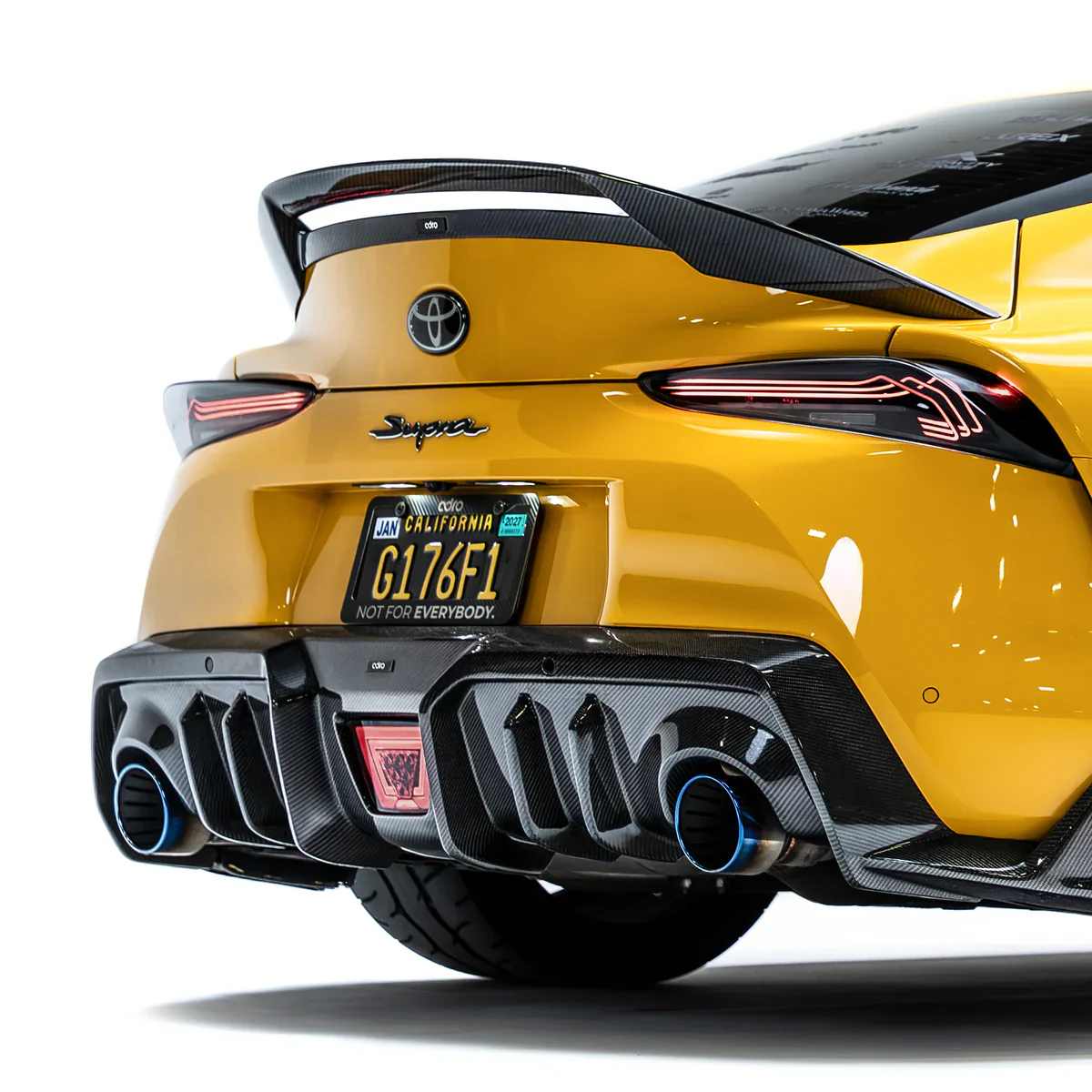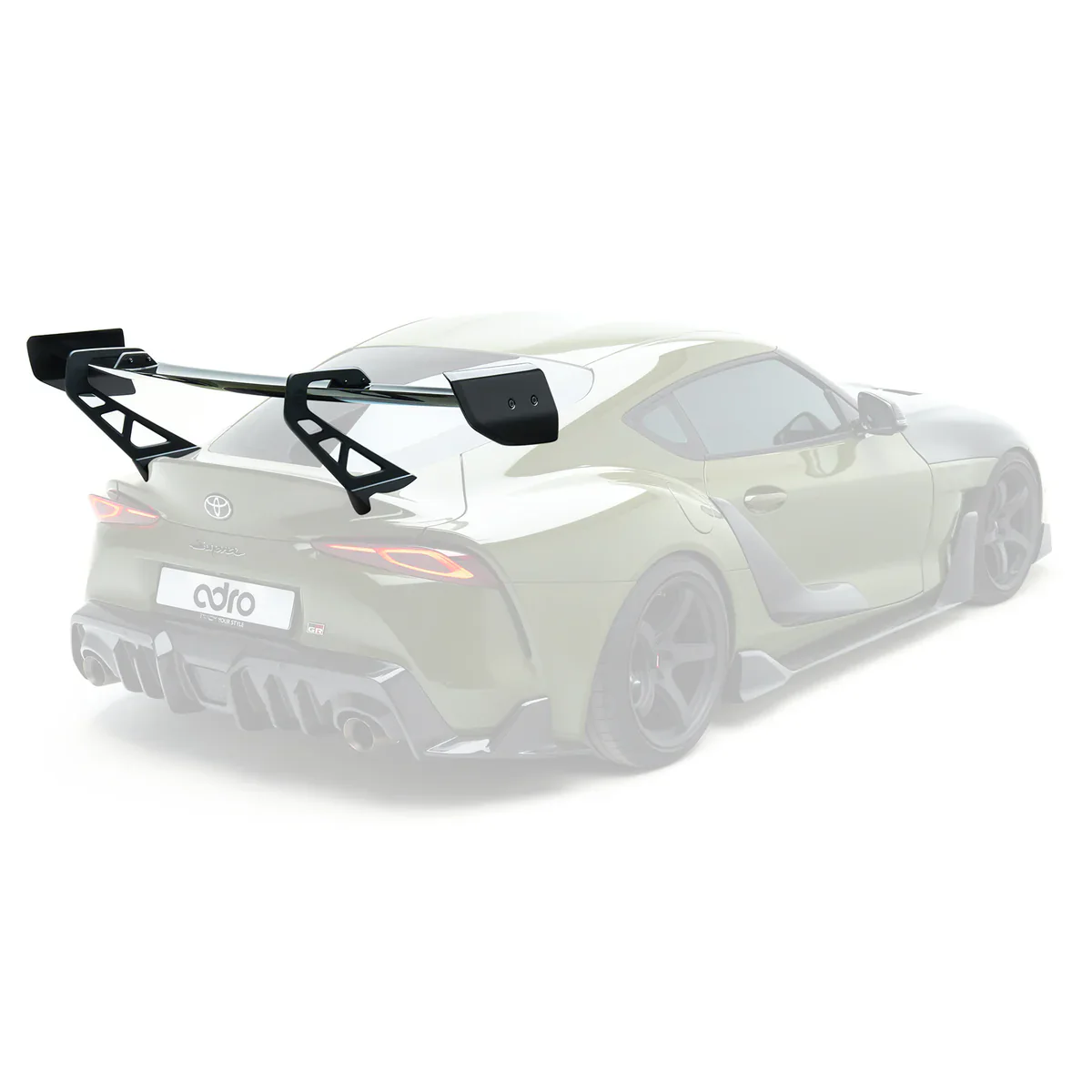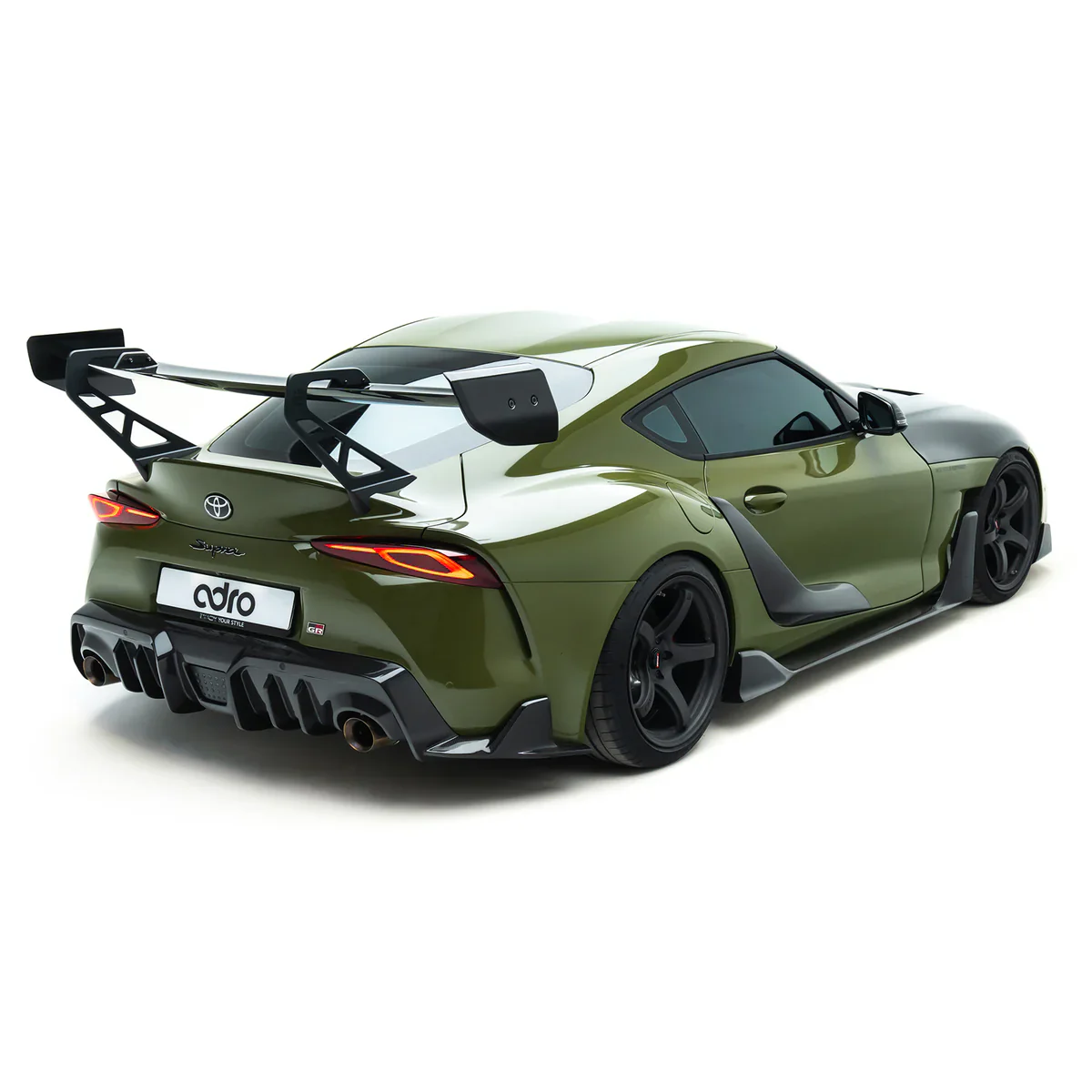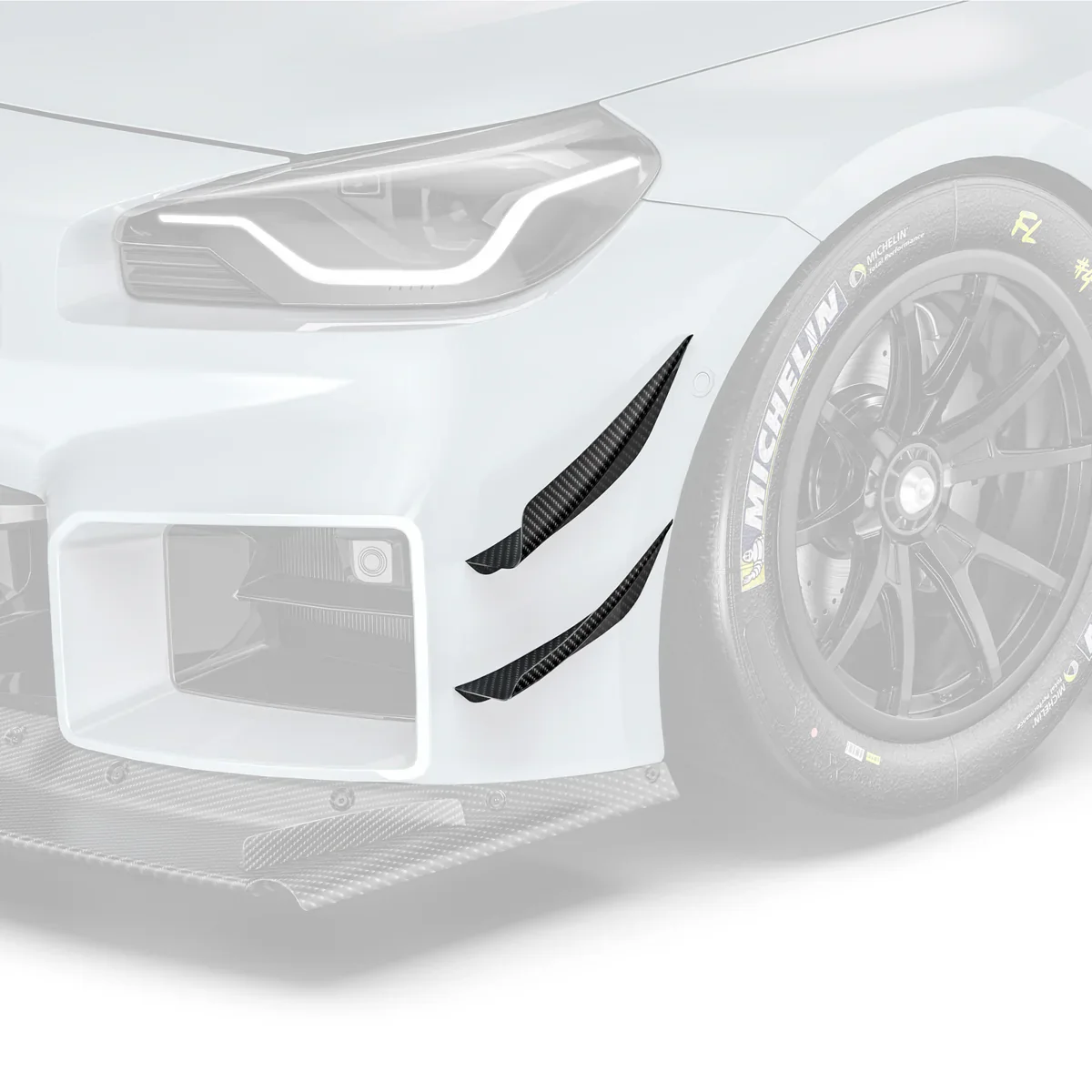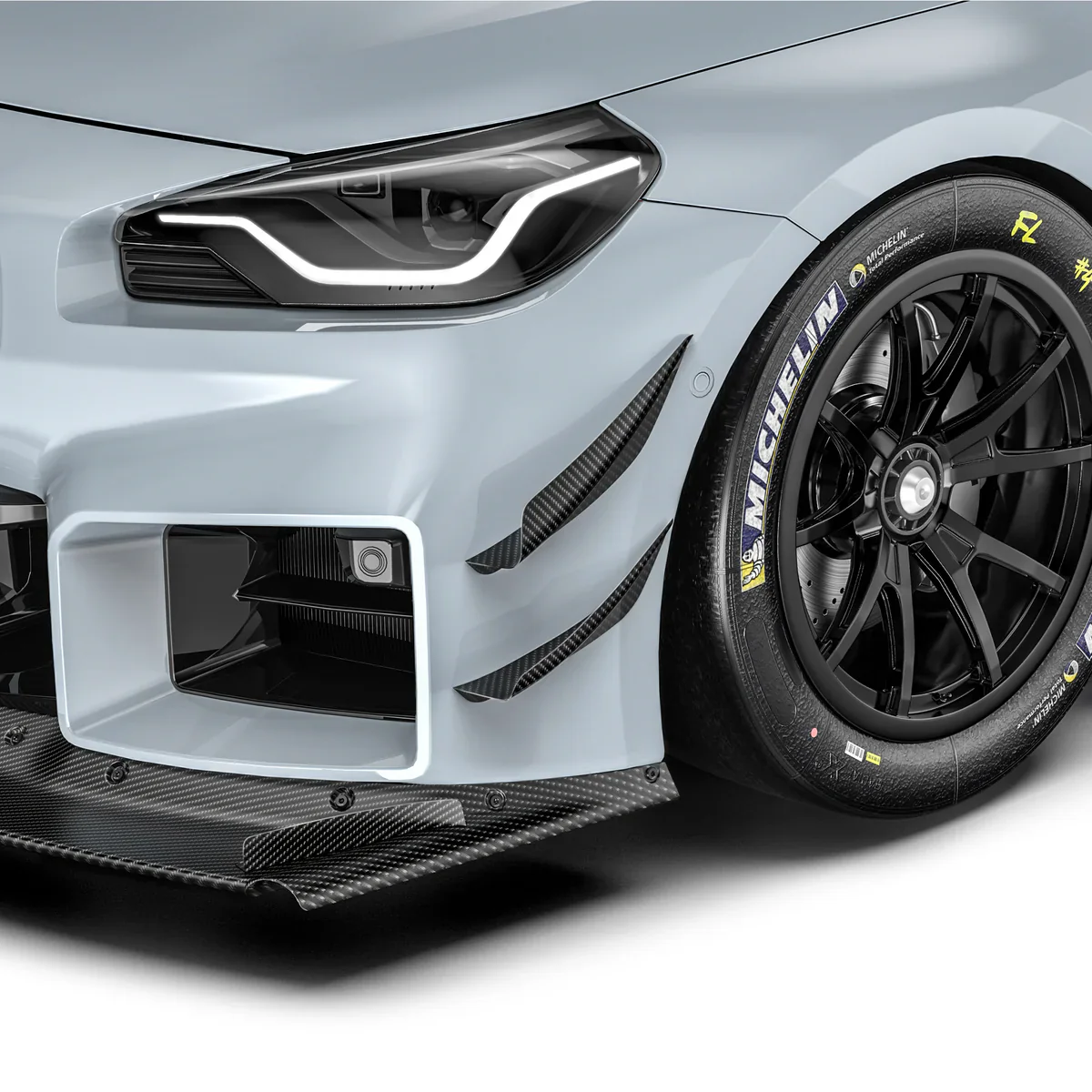
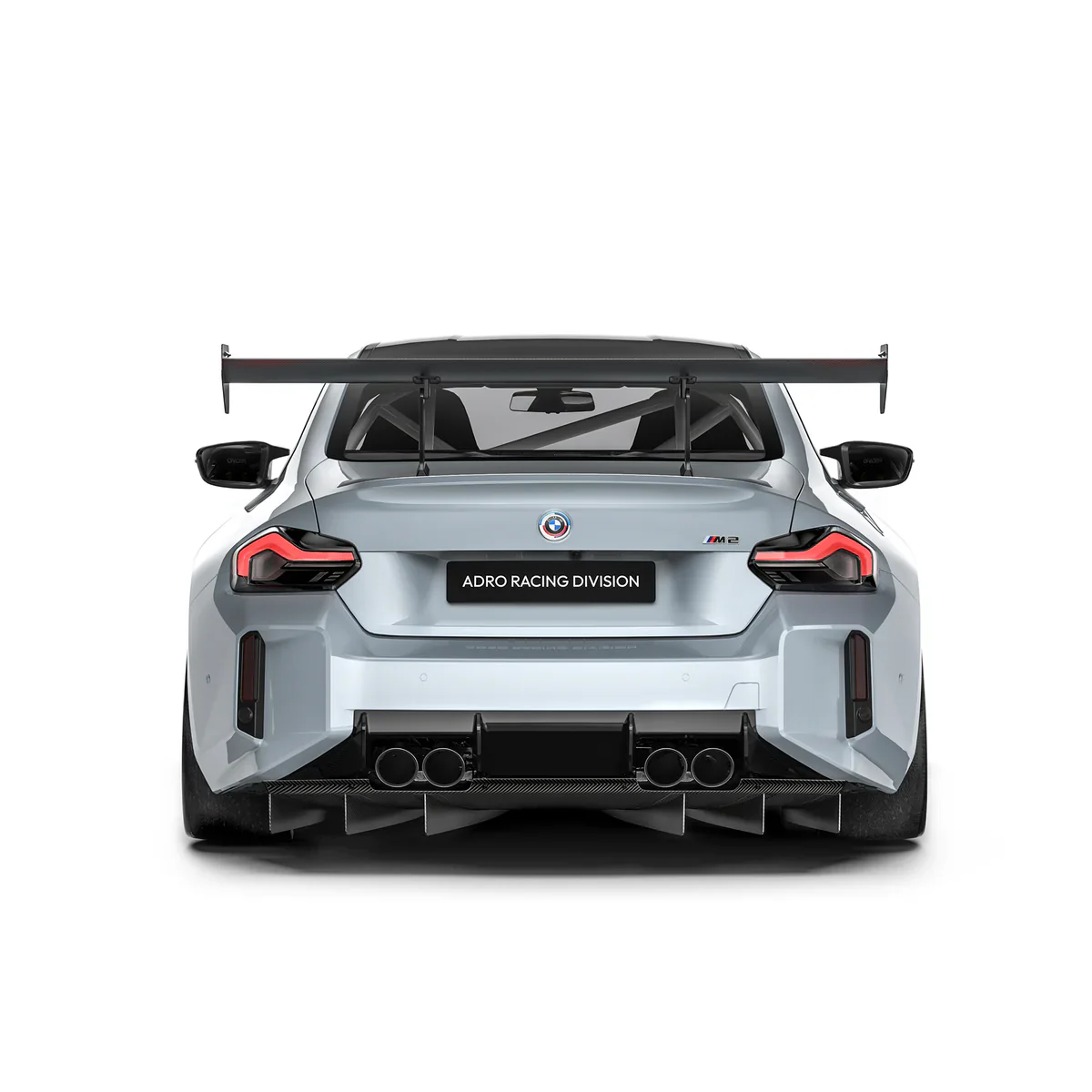
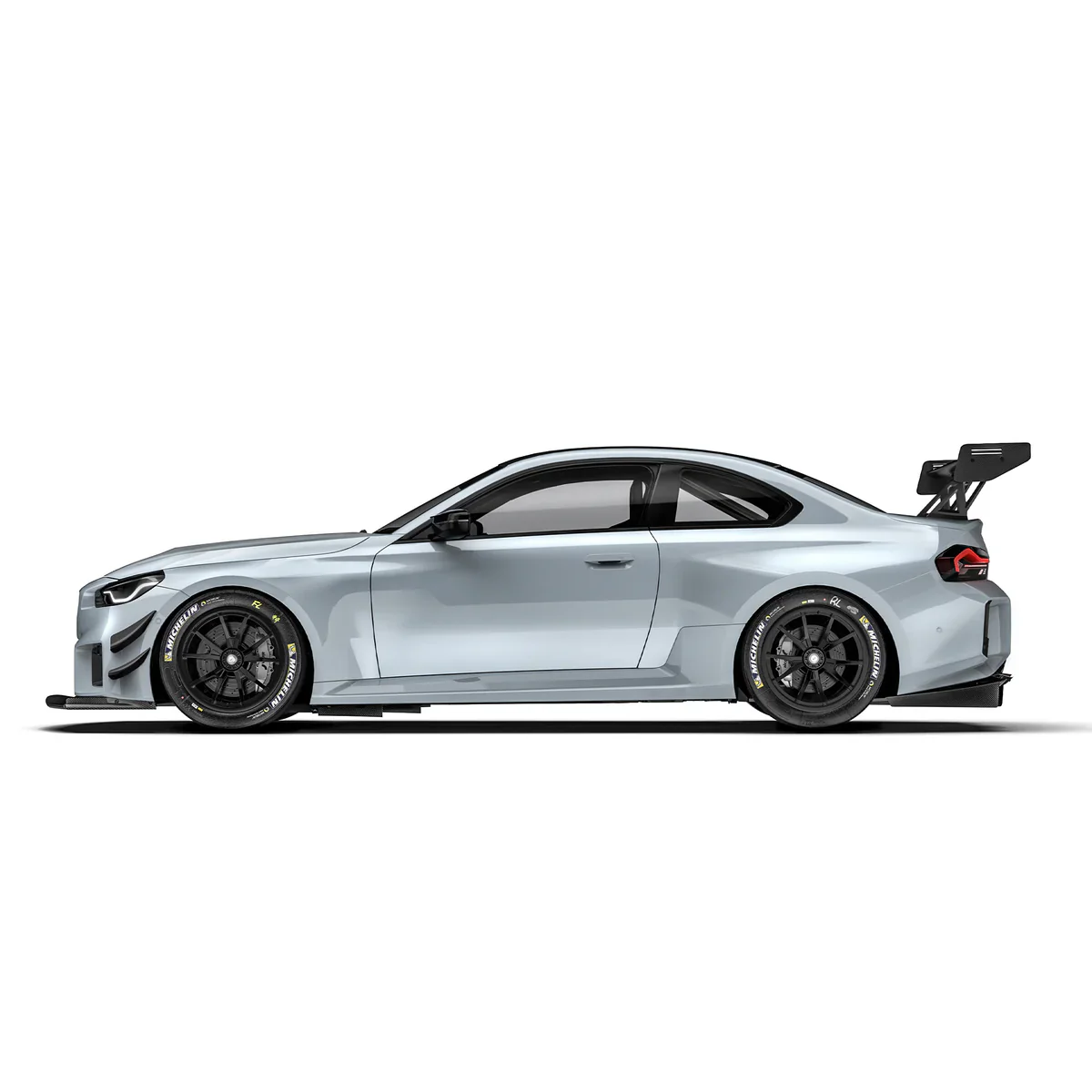
BMW G87 M2 ARD PREPREG RACE DIFFUSER
R14A90-1301
Aero over aesthetic. Function over form. Purpose over compromise.
What is ARD?
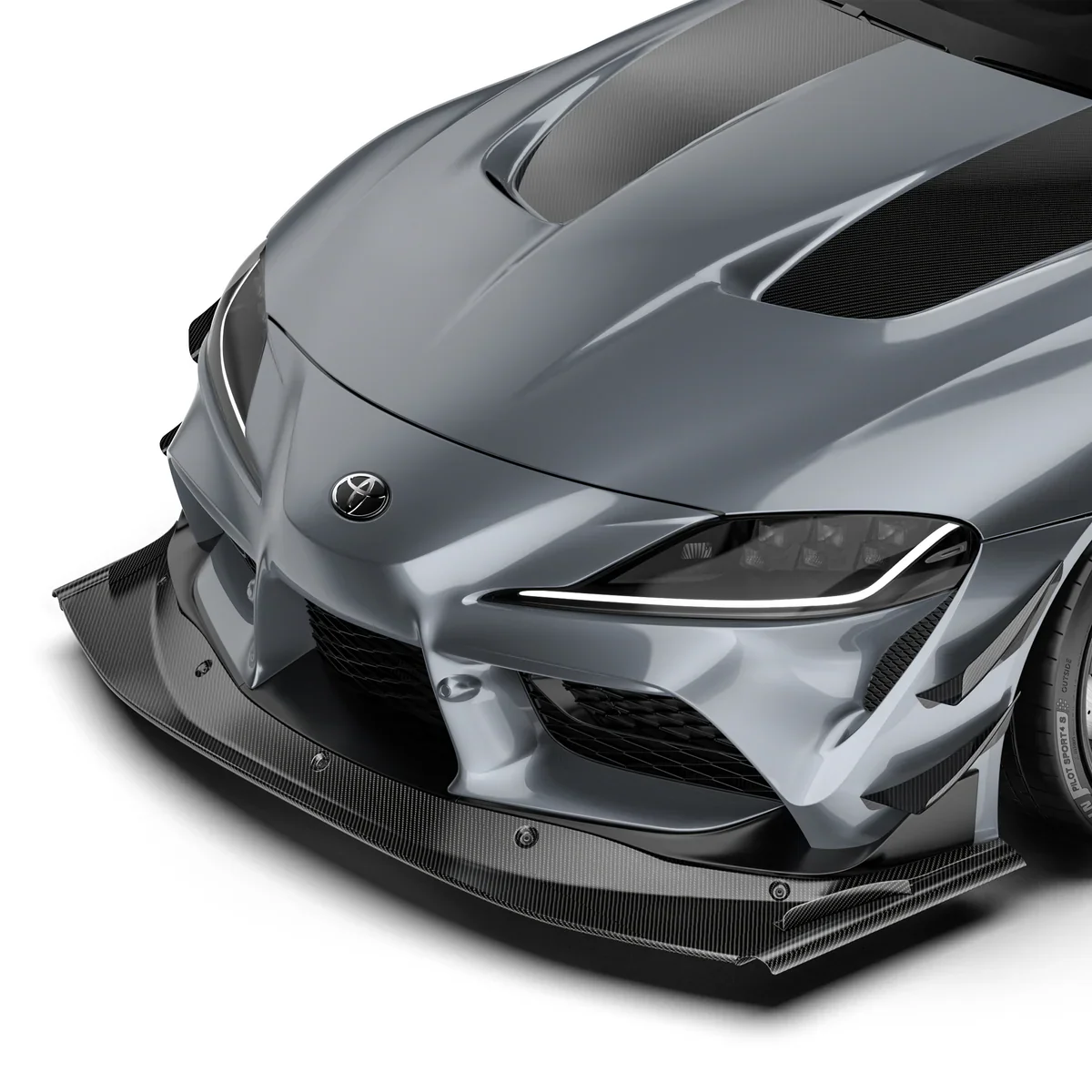
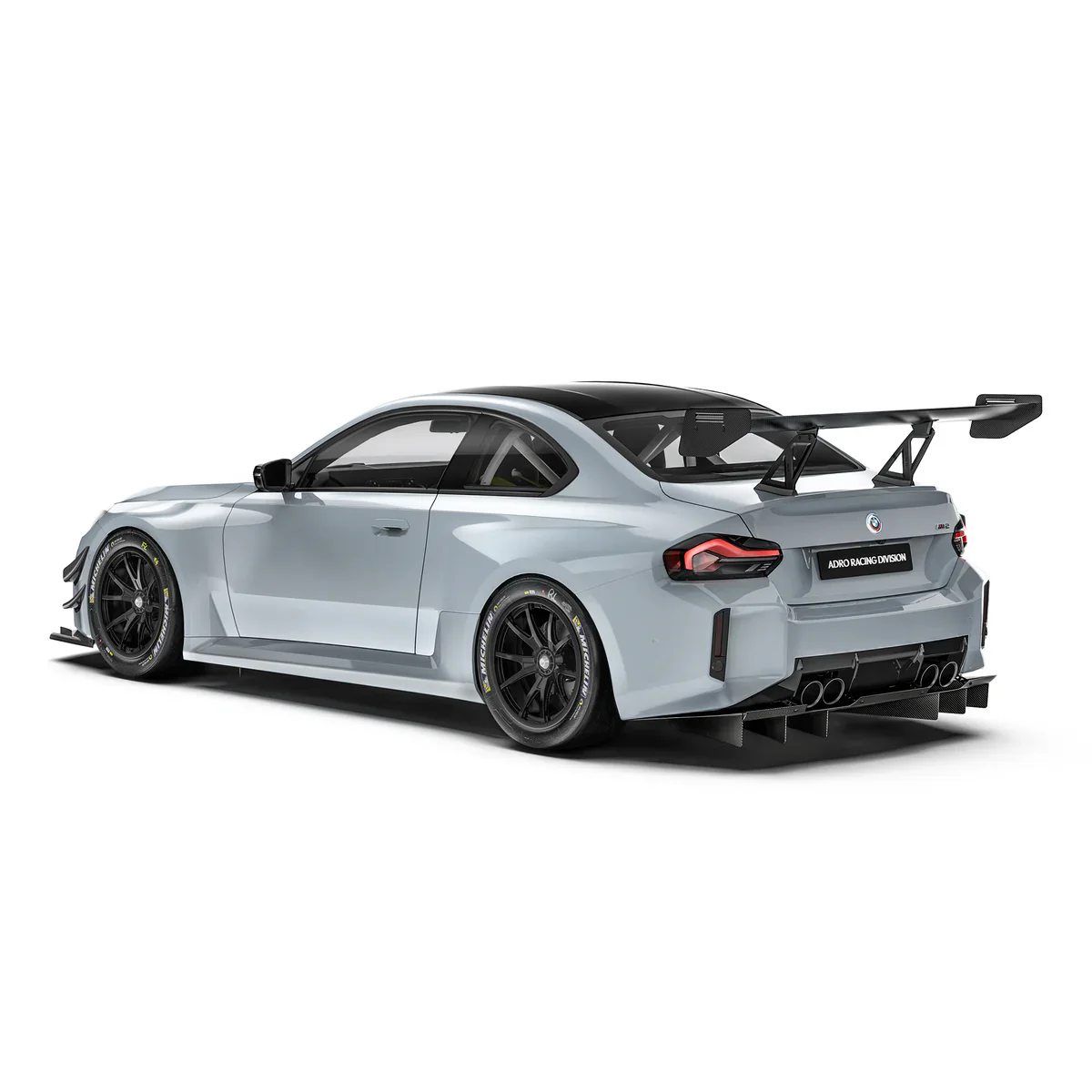
ARD (ADRO Racing Division) is ADRO's motorsport engineering program, built for drivers who demand more from their car on track. Every ARD component is developed the same way motorsport aerodynamics are: CFD simulation and track tested before anything reaches a customer. Scott, ADRO's Head of Aerodynamics, brings an F1 development background to every ARD project. The G87 M2 ARD Aero Package is one of the first full systems to come out of that program.
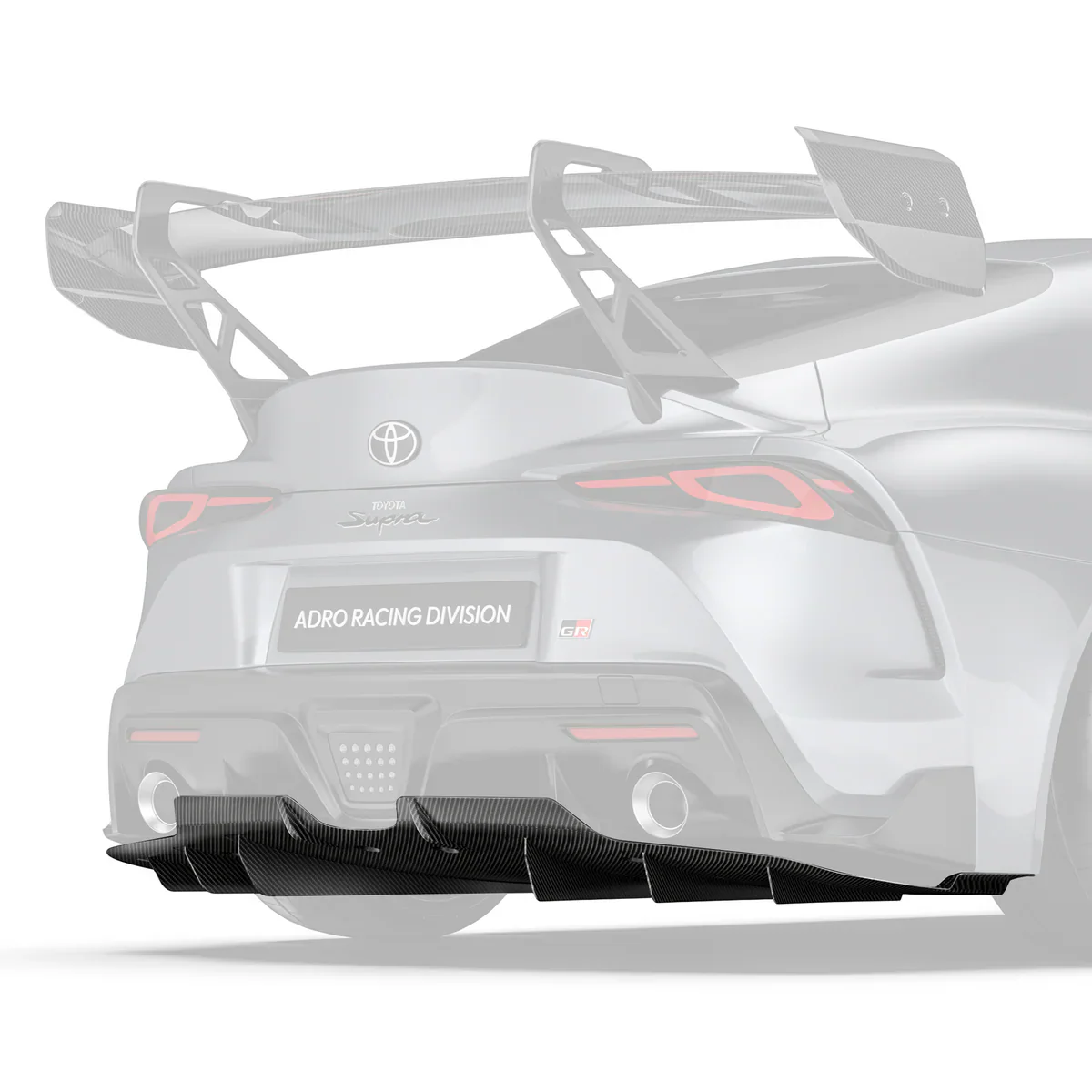
The Rear Diffuser
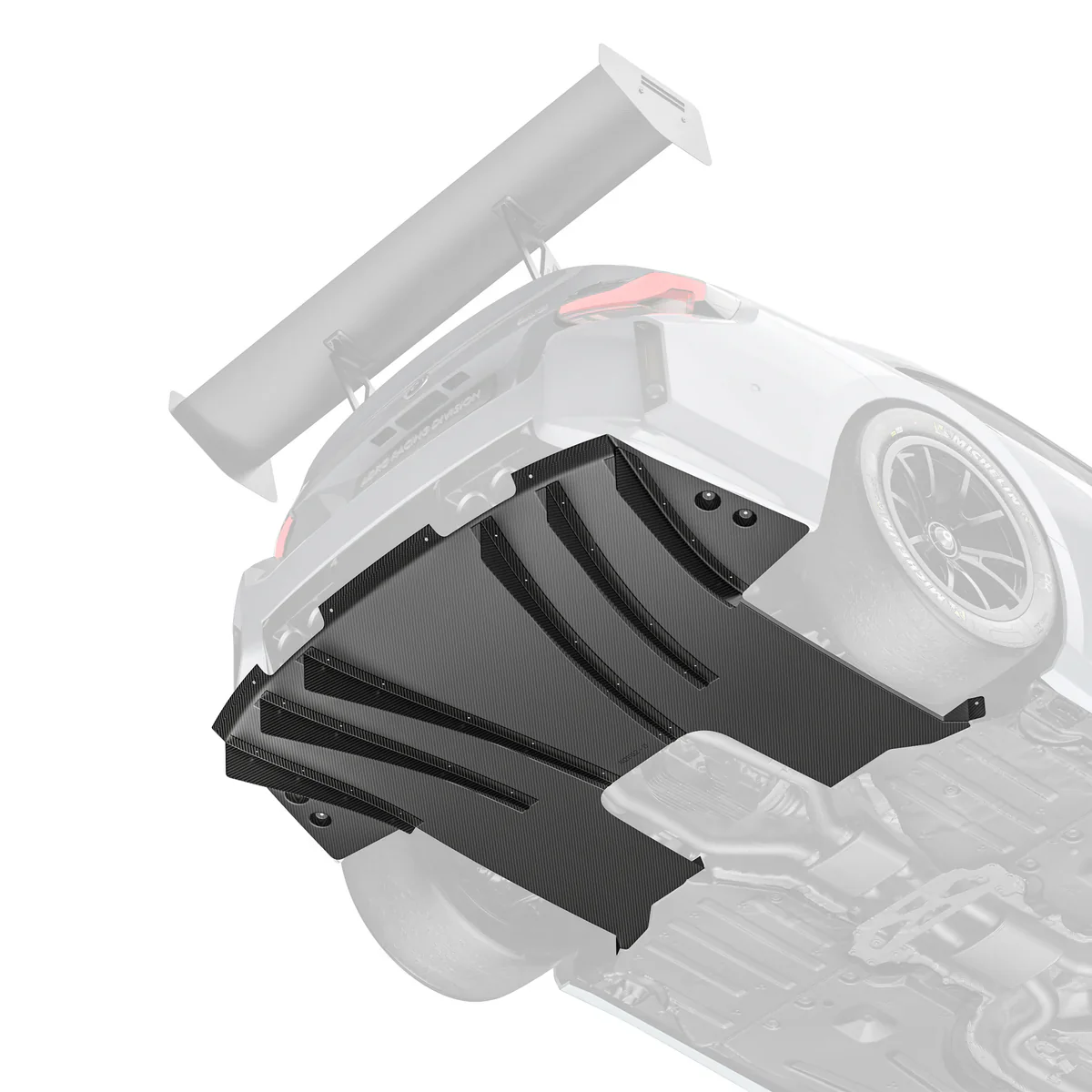
A diffuser works by taking the high-velocity, low-pressure air traveling under the car and gradually expanding it back to ambient pressure before it exits at the rear. Done correctly, this expansion accelerates the flow ahead of it, increasing suction across the entire underbody. Done incorrectly, or with gaps and interruptions in the undertray that allow turbulent air to mix in, the pressure recovery breaks down and the diffuser produces a fraction of what it should.
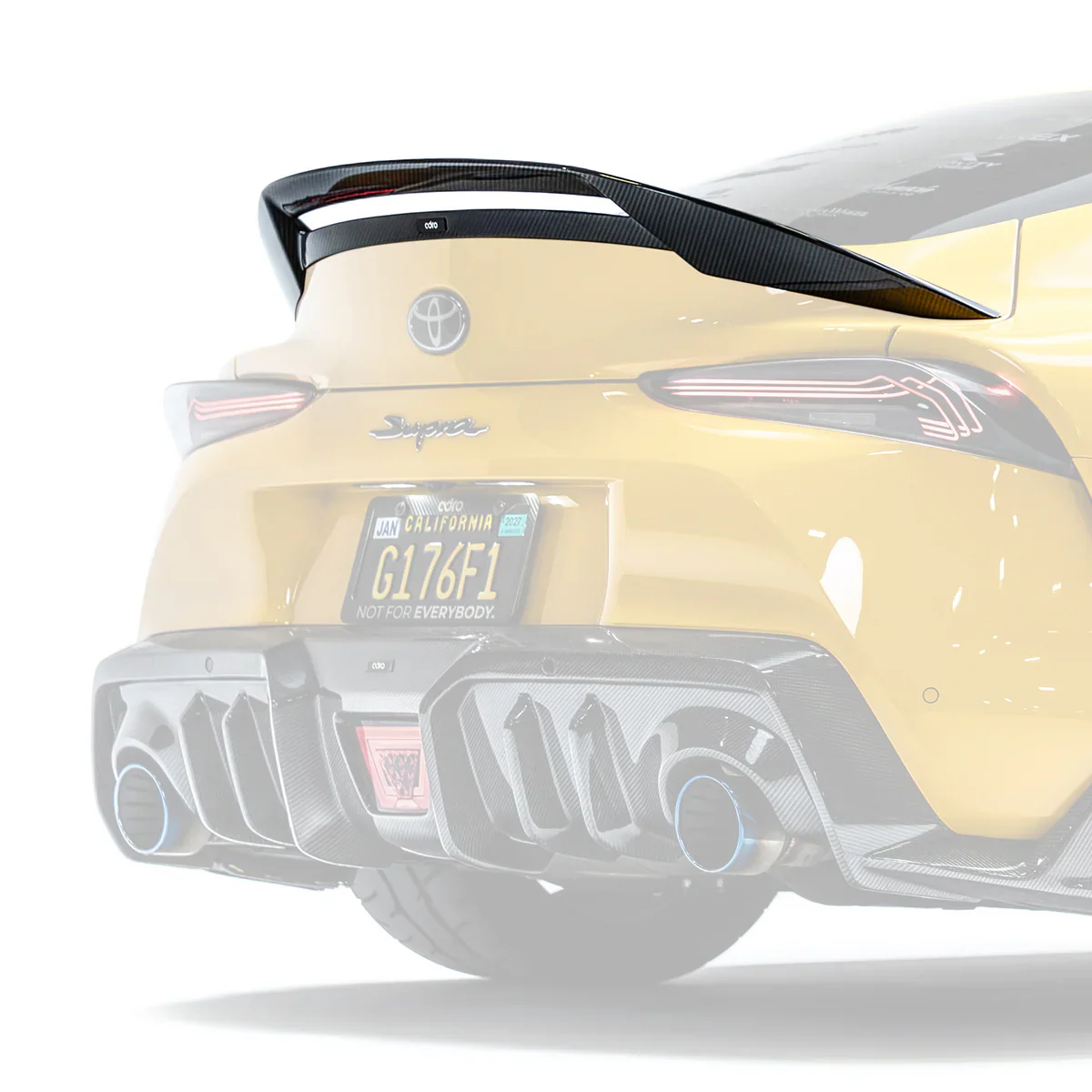
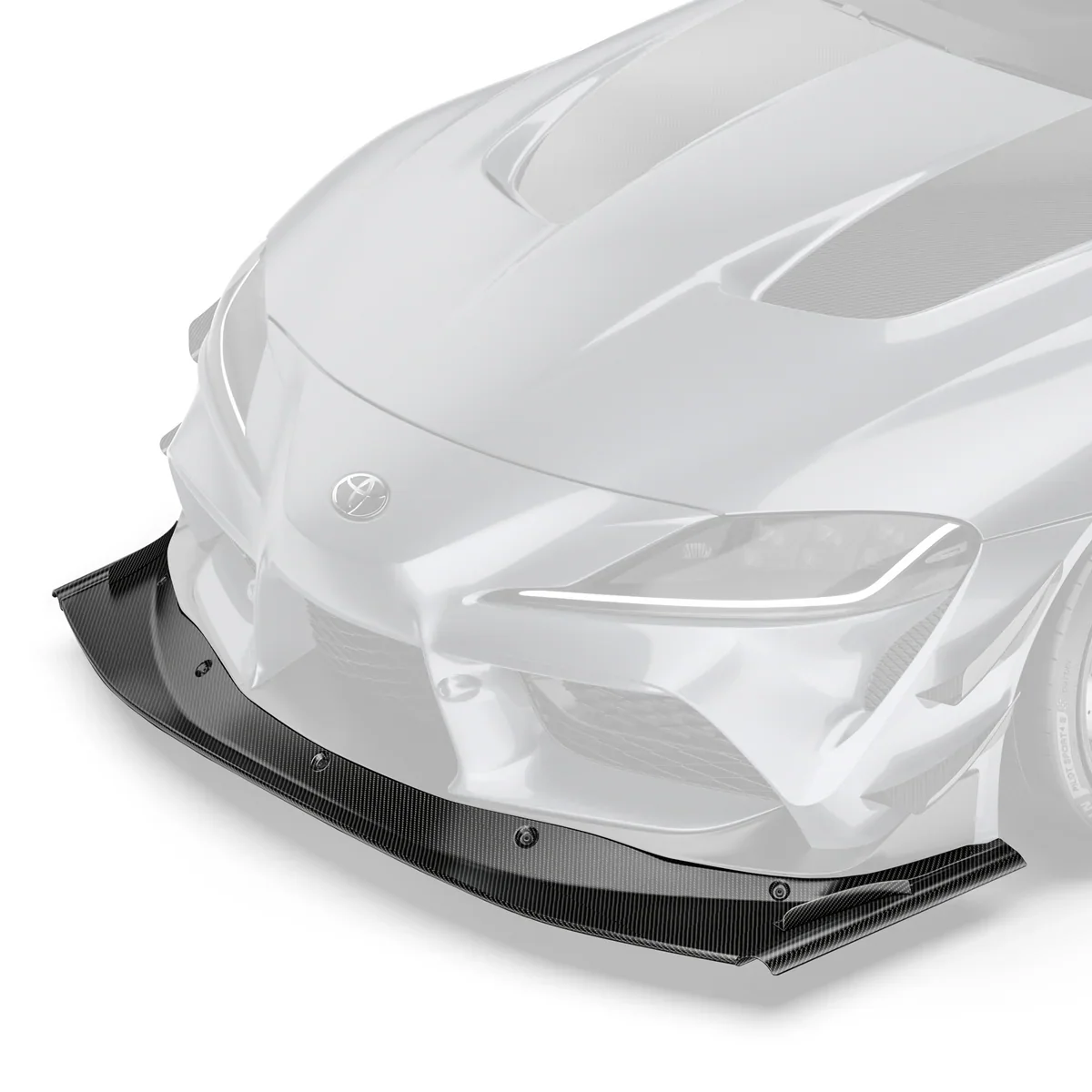
The ARD rear diffuser is developed as the endpoint of a complete underbody system, not a standalone component bolted to the rear bumper.
How It Works
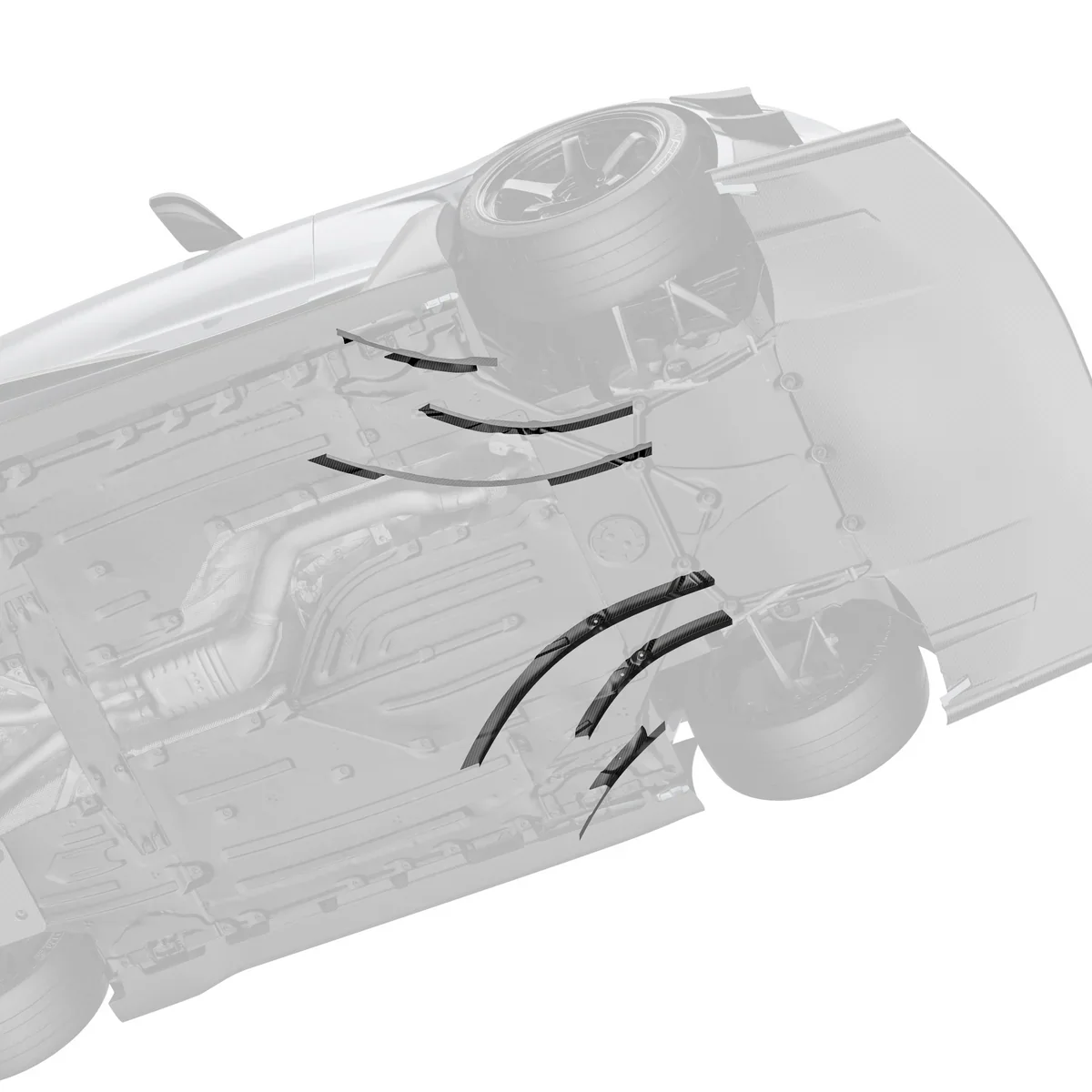
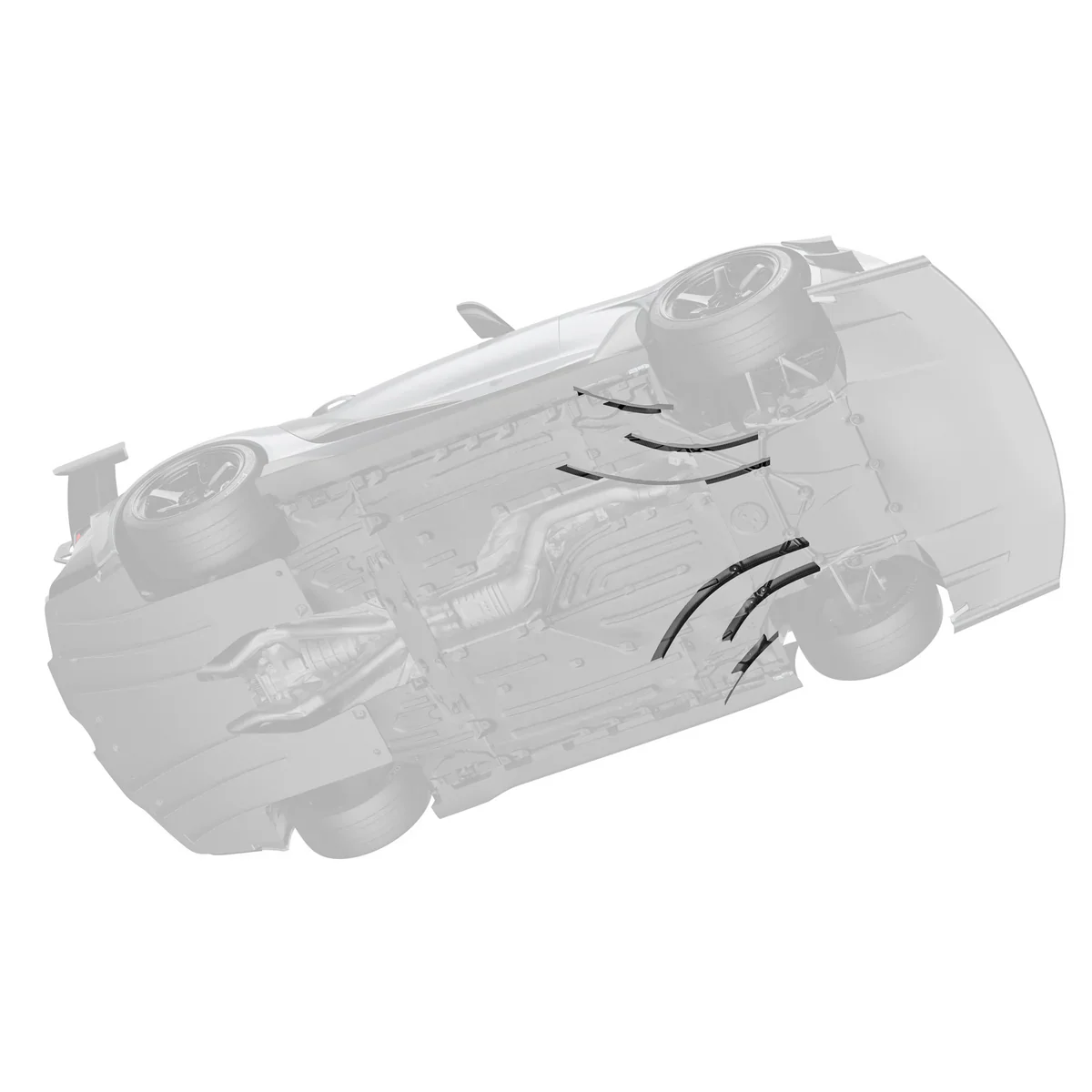
The diffuser undertray seals the gaps that cause turbulent recirculation under the car. On a stock Supra, those gaps allow high-pressure air to bleed into the underbody from the sides and center, disrupting the low-pressure environment the diffuser depends on. Blocking them keeps underbody velocity high across the full floor, which means the diffuser strakes have clean, fast-moving air to work with rather than recovering from turbulence upstream.
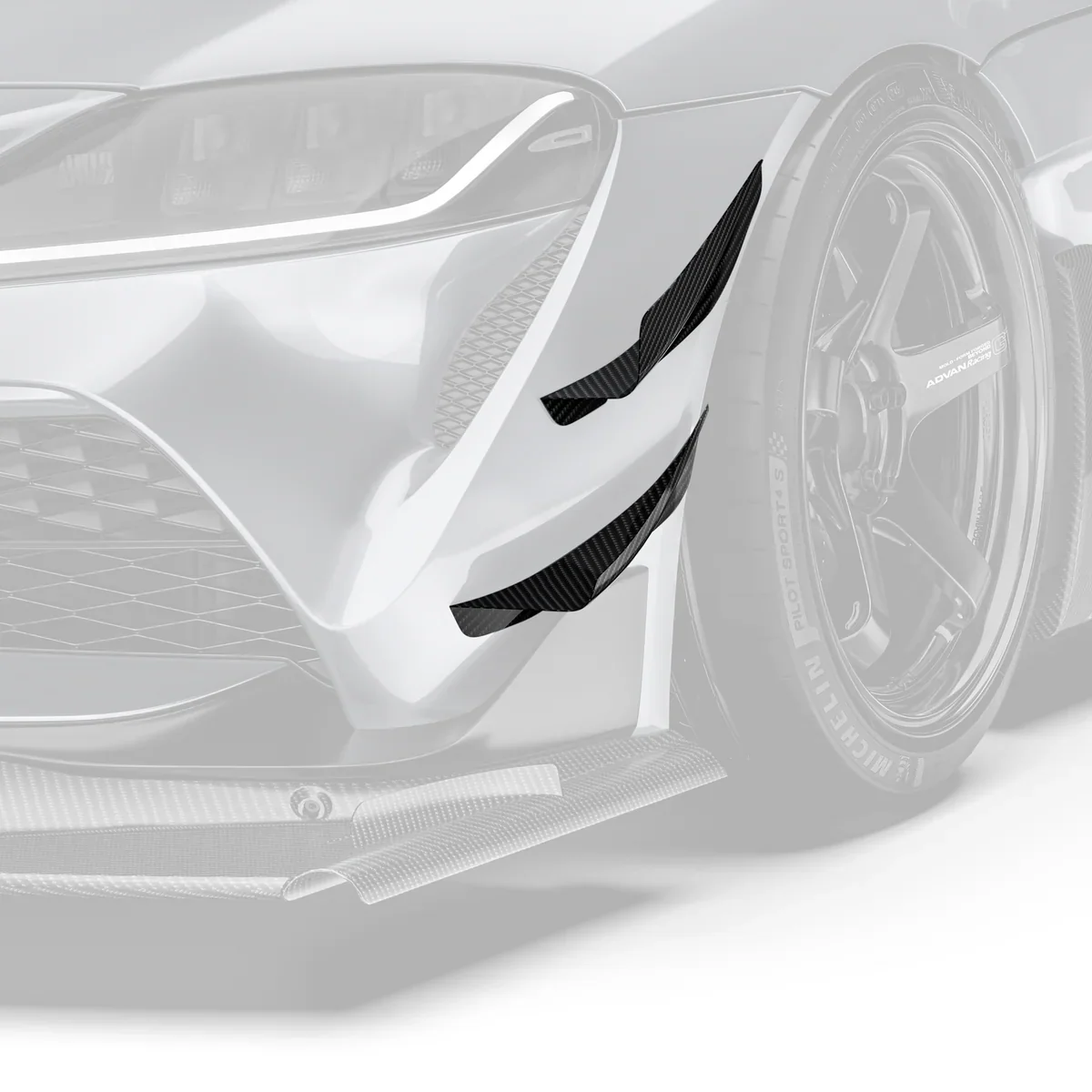
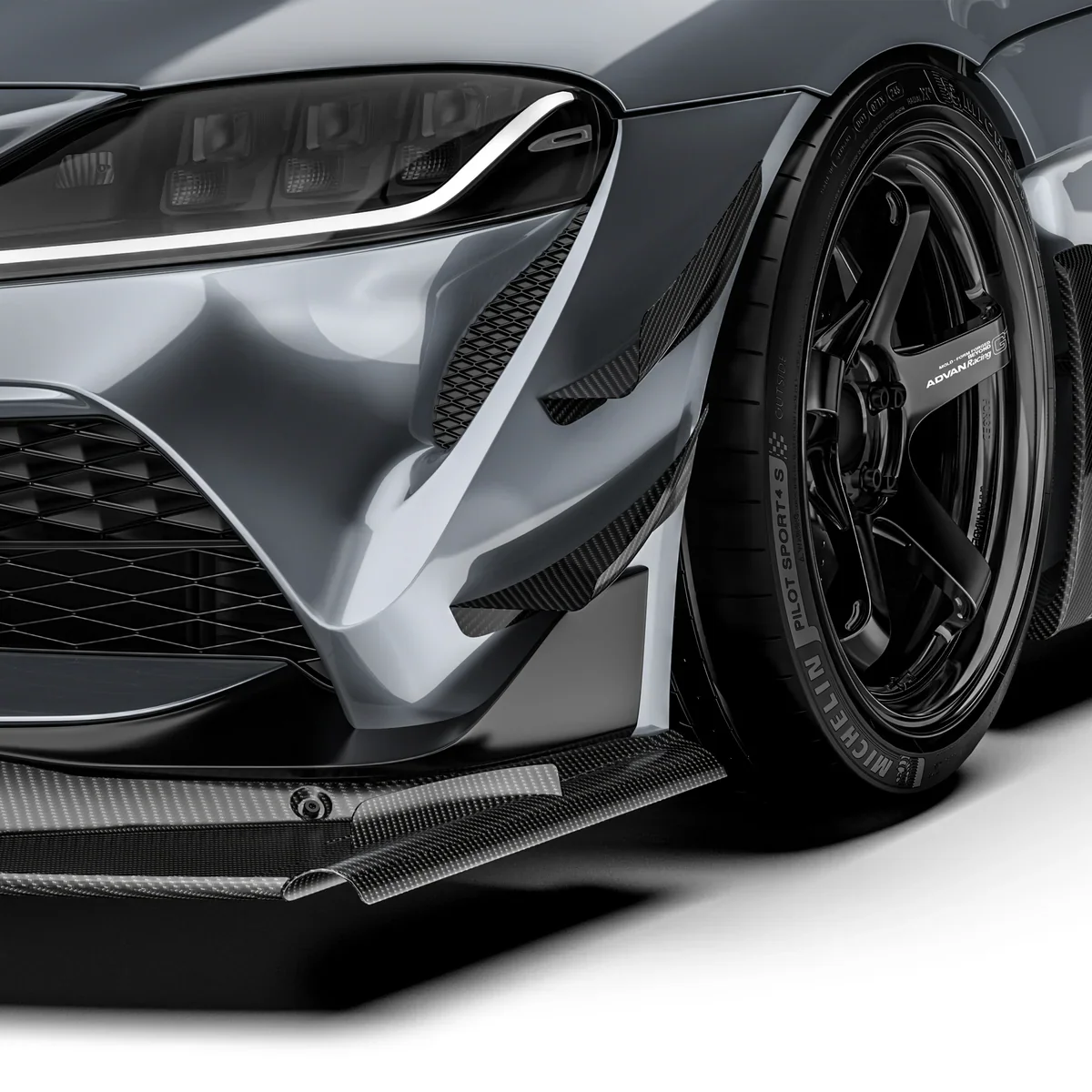
The strakes inside the diffuser generate vortices that roll along the diffuser surface, energizing the boundary layer and preventing flow separation as the channel expands. This is what allows the diffuser to extract more work from the airflow without stalling. Those vortices are stronger because of what happens upstream: the ARD undervanes generate large-scale vortices that feed conditioned, high-velocity flow rearward through the floor, arriving at the diffuser inlet with enough energy to drive the expansion process effectively.
As part of the complete ARD Aero Package, the system generates 2555N (574 lbs) of downforce at 180 km/h, a 1254% increase over the M2's stock 189N, with a gain of +2366N (532 lbs).
Material
ARD components are produced in prepreg carbon fiber. Prepreg uses resin pre-impregnated into the fiber under controlled conditions, meaning resin distribution is precise and consistent throughout the part. The result is a lighter, stiffer component with no soft spots or resin-rich areas that can delaminate under load.
For a rear diffuser, panel stiffness affects more than durability. A diffuser channel that flexes under load changes its expansion geometry, which alters the pressure gradient the strakes are working against. Prepreg holds the designed geometry at speed and under heat, so the diffuser performs consistently across a full session rather than degrading as conditions change.
Original: $2,846.59
-65%$2,846.59
$996.31Product Information
Product Information
Shipping & Returns
Shipping & Returns
Description
R14A90-1301
Aero over aesthetic. Function over form. Purpose over compromise.
What is ARD?
ARD (ADRO Racing Division) is ADRO's motorsport engineering program, built for drivers who demand more from their car on track. Every ARD component is developed the same way motorsport aerodynamics are: CFD simulation and track tested before anything reaches a customer. Scott, ADRO's Head of Aerodynamics, brings an F1 development background to every ARD project. The G87 M2 ARD Aero Package is one of the first full systems to come out of that program.
The Rear Diffuser
A diffuser works by taking the high-velocity, low-pressure air traveling under the car and gradually expanding it back to ambient pressure before it exits at the rear. Done correctly, this expansion accelerates the flow ahead of it, increasing suction across the entire underbody. Done incorrectly, or with gaps and interruptions in the undertray that allow turbulent air to mix in, the pressure recovery breaks down and the diffuser produces a fraction of what it should.
The ARD rear diffuser is developed as the endpoint of a complete underbody system, not a standalone component bolted to the rear bumper.
How It Works
The diffuser undertray seals the gaps that cause turbulent recirculation under the car. On a stock Supra, those gaps allow high-pressure air to bleed into the underbody from the sides and center, disrupting the low-pressure environment the diffuser depends on. Blocking them keeps underbody velocity high across the full floor, which means the diffuser strakes have clean, fast-moving air to work with rather than recovering from turbulence upstream.
The strakes inside the diffuser generate vortices that roll along the diffuser surface, energizing the boundary layer and preventing flow separation as the channel expands. This is what allows the diffuser to extract more work from the airflow without stalling. Those vortices are stronger because of what happens upstream: the ARD undervanes generate large-scale vortices that feed conditioned, high-velocity flow rearward through the floor, arriving at the diffuser inlet with enough energy to drive the expansion process effectively.
As part of the complete ARD Aero Package, the system generates 2555N (574 lbs) of downforce at 180 km/h, a 1254% increase over the M2's stock 189N, with a gain of +2366N (532 lbs).
Material
ARD components are produced in prepreg carbon fiber. Prepreg uses resin pre-impregnated into the fiber under controlled conditions, meaning resin distribution is precise and consistent throughout the part. The result is a lighter, stiffer component with no soft spots or resin-rich areas that can delaminate under load.
For a rear diffuser, panel stiffness affects more than durability. A diffuser channel that flexes under load changes its expansion geometry, which alters the pressure gradient the strakes are working against. Prepreg holds the designed geometry at speed and under heat, so the diffuser performs consistently across a full session rather than degrading as conditions change.